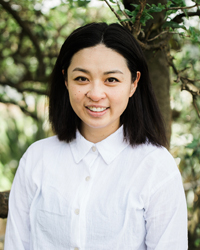
Lydia Ng – Paediatric Dentist
Lydia grew up in the Hutt and attended Samuel Marsden Collegiate. She graduated from Otago University in 2011 and then completed specialty training in paediatric dentistry 2019 at the University of Adelaide. Since specialising she has worked in hospitals in Auckland, Wellington and the Hutt as well as with the Bee Healthy Service. Lydia is kept busy with two young kids, enjoys yoga, baking, and she is an expert in playgrounds around the Wellington Region
Services
- Preventive dentistry
- Restorative dentistry
- Emergency dentistry
- Extractions and Oral Surgery
- Sedation
Preventive dentistry
Your child should have their first dental visit when their first tooth emerges, or when they turn one – whichever happens first. Check-ups for chalky back teeth at 2 years, 6 years and 12 years are a great idea too. The Australian and New Zealand Society of Paediatric Dentistry introduces the concept of a “dental home” for your child. An early start to dental visits creates the opportunity to focus on preventive care, appropriate feeding and hygiene routines at home, and familiarises your child with the dental environment. The aim of preventive dentistry is to help children become confident and comfortable at the dentist, and to have the right foundations for good oral health into adulthood.
A visit to the dentist should be another regular activity for your child, and should not be conveyed as a “high point” of the day. Focusing on the upcoming dental appointment can create anxiety and stress. If your child is old enough, simply inform them on the day of the appointment that they will be having a dental check up. Avoid using words that can fuel their imagination, like hurt, drill or needle – experienced dentists are able to discuss these topics with children in a fun, non-threatening way to ensure they have a positive experience.
Fissure sealants
A fissure sealant is a protective coating on a tooth to help prevent development of decay. The sealant is often applied to the chewing surface of a back tooth, and fills up the deep grooves and crevices. This helps to prevent bacteria and food from becoming lodged in the tooth, and therefore reduces the risk of decay. It is a simple procedure that many children can tolerate well.
Radiographs
Radiographs are an important and necessary part of preventive dentistry. They are used to detect dental decay in between teeth, check for injury following trauma, assess developing teeth, plan orthodontic treatment, and can also detect disease in bone. Early detection of any issues can help to minimise the complexity of dental treatment your child will need.
Care is taken to minimise the amount of exposure your child has to radiation. The amount of radiation for dental radiographs is extremely low, and has been further reduced as a result of technological advances in digital radiography.
Restorative dentistry
Crowns
In paediatric dentistry, crowns can be used to restore childrens’ teeth, and are a little different to what you may be familiar with as an adult.
Adhesive crowns are often used to restore baby front teeth affected by decay. The thin adhesive layer bonds to and “wraps around” the existing tooth structure to provide extra strength to the restoration. The final restoration has contours that follow the natural shape and size of your child’s teeth.
Sometimes stainless steel crowns are required to restore molars that have deep, extensive decay, or that have not formed properly “chalky molars“. A stainless steel crown is shaped like a normal tooth, and is bonded to the damaged molar. If it is used for a baby tooth, the tooth will still fall out when the permanent tooth is ready to grow.
Adhesive fillings
Fillings can be used to restore teeth with a small amount of damage from decay or trauma. An adhesive, tooth coloured material is often used. Decay is removed from the tooth prior to placing a filling. The filling will help to build the tooth back up to the original shape and size.
Space maintainers
A space maintainer is an appliance that can be placed on a tooth to “save” the space for a developing permanent tooth. Sometimes this is required when a baby molar is lost early due to infection, decay or trauma. It helps to stop the surrounding teeth from drifting or tilting into the empty space, and can prevent complicated orthodontic correction in the future.
Emergency dentistry
Knocked out permanent tooth
Stay calm. Find the tooth if possible, and only handle it by the crown. Try not to touch the root surface. If the tooth appears intact, you can reinsert the tooth back into the socket. Your child can keep the tooth in place by biting gently on a cloth or gauze swab. If you are not able to reinsert the tooth, store it in a cup with your child’s saliva, or milk. Never use water. Your child must then see a dentist immediately for emergency management.
Knocked out baby tooth
Contact your child’s dentist. A baby tooth should not be placed back in the socket, as there is risk of damaging the underlying developing permanent tooth. The surrounding injury to the gums and lips will need to be assessed. In many cases, no treatment will be required.
Fractured or chipped tooth
Locate the fractured piece if possible, and contact your child’s dentist as soon as possible. If it is a permanent tooth, the time elapsed between injury to treatment will be a crucial factor in the long term prognosis of the tooth.
Toothache
Clean the sore area with a soft toothbrush and warm water. Use dental floss if possible to help dislodge any food that may be impacted. If pain persists, contact your child’s dentist to make an appointment. If you notice that your child’s face is swollen, you will need to see a dentist immediately. If this is not possible, you should take your child to the nearest children’s hospital for emergency treatment.
Extractions and Oral Surgery
Oral surgery can include removal of teeth, or “exposure” of teeth to allow them to grow in the right direction.
Sometimes teeth will need to be removed. Common reasons for children to have teeth extracted include decay, infection, trauma, orthodontic reasons, or dental anomalies (e.g. supernumerary teeth). Removing teeth can vary from a simple extraction of a wobbly baby tooth, to a surgical removal of an unerupted supernumerary tooth.
Occasionally, permanent teeth have difficulty growing into the right place, and can remain “stuck” or impacted under the gum. Our orthodontic colleagues will often assist in creating the right amount of space for the impacted tooth. Sometimes this can be enough for the tooth to grow by itself. In other situations, the impacted tooth needs to be exposed and bonded to an orthodontic bracket to allow a guided eruption into the arch.
Sedation
Children who require an extensive amount of complex treatment may also need sedation to cope with treatment.
Nitrous oxide (commonly known as happy gas or laughing gas) is breathed in through a nasal mask at the time of the dental procedure. The child remains fully conscious, but often feels relaxed. It can also be a great distraction, and is often used during local anaesthetic injections.
Sometimes general anaesthesia is required in order to provide dental treatment for children. Paediatric dental treatment under general anaesthesia is performed in a hospital, with a specialist anaesthetist as part of the team. It is a safe, gentle and effective option for children who are unable to tolerate or cope with dental treatment. Dental treatment under general anaesthesia is usually a day stay procedure with same day discharge.
Dr Lydia Ng is an accredited visiting medical officer at Bowen Hospital and holds regular operating lists there.