Composite Veneers are thin layers of composite resin bonded to the front surfaces of teeth.
It is a Cosmetic dental procedure that can be used to repair chipped, cracked, or discoloured teeth. Composite can also be used to fill in gaps between teeth, to lengthen, shorten, or protect the root of a tooth. Composite veneers takes approximately 30 minutes to one hour per tooth in a single visit to the cosmetic dentist.
The cost for a composite veneer is $880 per tooth.
A time lapse video of Rob doing some Composite veneers:
Before and After Examples of Rob’s work: 77 Cases!
Example 1: Repairing a broken lower incisor with a Composite Veneer


Example 2: Straightening teeth with Composite Veneers


Example 3: Whitening worn teeth with Composite Veneers with a real fitted diamond
Veneers with a real fitted diamond
Example 4: Whitening and reconditioning teeth with Composite Veneers


Example 4b: Whitening and straightening Upper Teeth with Composite Veneers


Example 5: Timelapse Video of one of Rob’s cases using Composite veneers to close gaps
Example 6: Straightening and whitening Upper Teeth with Composite Veneers


Example 7: Reshaping and Whitening 6 Upper Teeth with Composite Veneers


Example 8: Reshaping and Whitening 6 Upper Teeth with Composite Veneers


Example 9: Reshaping and Whitening 6 Upper Teeth with Composite Veneers


Composite Veneers have many advantages over traditional cosmetic techniques:
- Natural looking
- Relatively inexpensive
- Requires little or no removal of existing tooth structure
- Easily maintained
- Easily repaired
- Does not wear opposing teeth
- Ability to improve the shape/length of teeth
- Ability to improve the colour of teeth
Example 10,11: Reshaping and Whitening 6 Upper Teeth with Composite Veneers


The dentist begins by selecting a shade of composite resin (bonding material) that is closest to the shade (colour) of your teeth. Then, the dentist roughens the surface of the teeth and applies a liquid that helps the bonding material adhere to the teeth. Various layers and colours of composite resin are then applied to the teeth, smoothed into the desired shape, and hardened with a high intensity light. After the resin has hardened, the dentist will make the final touches and polish the tooth until it resembles the other teeth. If more than one tooth is being repaired it may take several visits to the dentist in order to achieve the desired results. Although very little tooth preparation is necessary to apply Composite Veneers, they are not strictly reversible. If they were removed, at the very least the underlying tooth structure would be affected in the same way that wood is affected after paint has been stripped off.
If you have any teeth that are ‘sticking out’ more than others, sometimes your dentist can remove some of the offending tooth tissue to enhance the cosmetic end result. This will be an option that will be discussed with the patient before proceeding with any tooth removal.
Example 12: Combination Solution! Clear Aligners followed by Composite Veneers (both white and pink composite – this took 5 months)


Example 13: Straightening and Whitening upper front six teeth


9 years later
Maintenance of Your New Composite Veneers:
The maintenance of your Composite Veneer is relatively simple. A few suggestions, however, are in order:
- Please brush and floss as you normally would to prevent oral hygiene problems. Once placed, Composite Veneers are typically the kindest restoration to the gum tissues that we currently have in our prosthetic armamentarium. You will not damage your Veneers by either flossing or brushing. Any non-abrasive tooth paste is acceptable. A good home care regimen will ensure the success of your laminate restorations for years to come. The ideal toothbrush for Composite Veneers is an Oral B electric toothbrush with a soft head.
- Some sensitivity to hot and cold may be experienced after the placement of your veneers. Some sensitivity is absolutely normal and usually dissipates after one-two weeks. If this sensitivity should remain or concern you at all, please call your dentist.
- Once placed your laminates are very strong and will resist most of the forces placed upon them by a normal diet. However, opening pistachio nuts with your teeth, chewing on bones or toffee apples is probably not a good idea. As with most things, common sense should prevail.
- If you are known to be a grinder or clencher, please let your dentist know. He/she will fabricate a soft night guard for you to wear to minimize the stresses placed upon your teeth while you sleep.
- Like anything in the mouth, it can be prone to wear and tear. Sometimes Composite veneers can chip slightly, but in most cases they are exceedingly easy to repair. One would be unlucky to have them chip within the first five years unless there was a significant grinding problem
- If there have been substantial changes to the shape of your teeth, occasionally a patient may develop a lisp that lasts for about a week. On the rare occasions it does not resolve spontaneously, your dentist can make some adjustments to remove it.
- The average lifespan of Composite Veneers are 15 years, this can be extended with good homecare and regular maintenance, which you should allow $100 every couple of years. In ideal circumstances 15 years is certainly possible.
Example 14: Reshaping and straightening upper front six teeth


Example 15: 1 Composite bridge and 5 Composite veneers


Example 16: 1 Composite bridge and 5 Composite veneers
Example 17: Straightening and Whitening upper 8 four teeth


Example 18: Whitening and closing gaps with Composite veneers


Example 19: Strengthening upper front seven teeth with Composite crowns


Example 20: Closing gaps and rebuilding worn teeth with Composite Veneers


Example 21: Composite Veneers to Whiten and Straighten eight front teeth


Example 22: Closing spaces and Whitening upper front six teeth, with partial braces, and 6 Composite Veneers


Example 23: Repairing and Whitening upper front six teeth with Composite veneers


Example 24: Replacing two Porcelain Crowns with Composite Crowns including one Gumlift and one ‘Gumdrop’ with pink Composite


Example 25: Rebuilding and Whitening teeth with Composite Veneers and a silver veneer to add a hard edge…


Example 26: Straightening teeth with Clear Aligners and Composite Veneers


After Aligners

Example 27: Two gumlifts, a Composite bridge (with gold insertion) and three Composite veneers to reshape and whiten the front teeth


Patient Testimonial for example 27:
After returning from overseas after a two year period, I walked in off the street for an appointment with Rob, his having been recommended by a business friend.
My first impressions of his practice were very favourable – friendly and helpful staff out front, light, airy premises with cool cafe music, flat screens on the ceiling and cool images/movies to watch – a whole new experience for me at a dentist’s surgery. However, I was apprehensive at that first consultation – years of neglect, botched National Health dentistry from the UK, the attrition associated with middle age and the specific challenge of a weakened bridge at the front, the legacy of an old rugby injury, made me a walking dental nightmare! Then there was the worry about cost?!
I needn’t have worried: Rob immediately got to work, strategising a treatment plan and crafting solutions to my specific dental problems, something he is very clever at. He was upbeat and positive about the outcomes and e-mailed me a plan and quote that was very reasonable indeed. Once agreed upon, along with his assistant Lisa, the pair earnestly got to work.
Rob is an amazingly quick and efficient practitioner – he is very professional, totally focussed on the best outcomes and I consider him to be a true craftsman; the results he achieved with me after three days of intensive treatment were nothing short of remarkable. After being used to slow, invasive, brutal/ protracted regimes of drilling and filling, my experience in the chair with Rob by comparison was pain free, and certainly less arduous and relatively stress-free.
In short I would wholeheartedly recommend him: so if you have a dental problem you want to get fixed up, you now know where to go!
– M Williams
Example 28: Straightening and whitening teeth with Composite Veneers and a Composite Crown with an instant gumlift.


Example 29: Closing gaps and rebuilding worn teeth with Composite Veneers and 2 Composite bridges


Example 30: Closing spaces and whitening with Composite veneers


Example 31: Reshaping and whitening teeth with Six Composite Veneers


Example 32: Reshaping and whitening teeth with Six Composite Veneers utilising Pink and White Composite


Example 33: Removing Ectopic tooth and reshaping 3 teeth with Composite veneers


Example 34: Combination Solution; Composite Veneers and 4 composite Bridges


Example 35: Composite Veneers to whiten and straighten teeth


Example 36: Composite Veneers to whiten and repair worn teeth
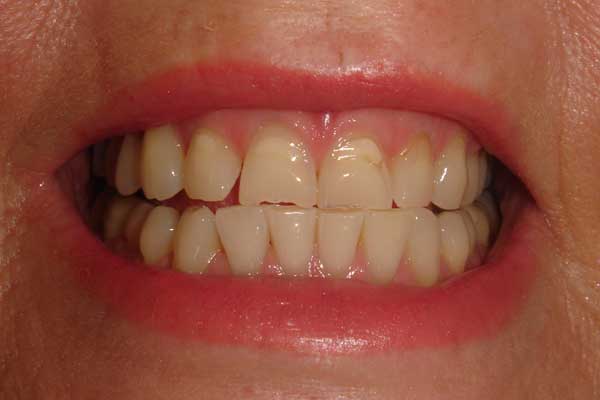
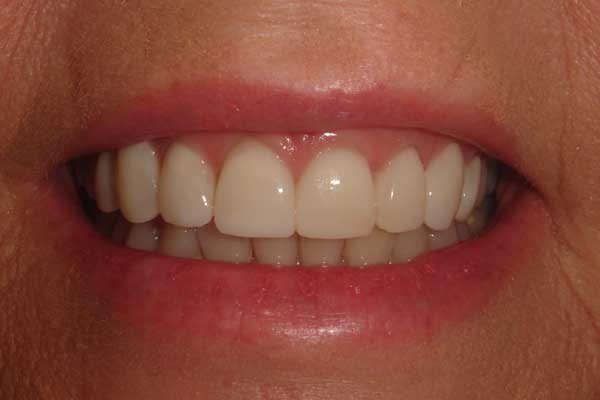
Example 37: Composite Veneers to reshape teeth


Example 38: Closing spaces and whitening teeth with Six Composite Veneers and one Composite Bridge


Example 39: Reshaping and whitening teeth with Six Composite Veneers


Example 40: Replacing 6 Porcelain Veneers with Six Composite Veneers


Example 41: Straightening and Whitening upper front six teeth


Example 42: Straightening Cross bite with Composite veneers


Example 43: Straightening and Whitening upper front seven teeth


16 YEARS LATER!!!!!!!!!!!!!!!!!!!!!!!!!
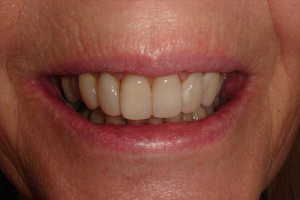
Example 23: Replacing a porcelain Bridge with a Composite bridge (inserting a gold inlay) and placing Composite veneers


Example 24: Rebuilding worn teeth with a Composite bridge and placing Composite veneers


Example 25: Replacing lower incisors with pink and white composite


Example 26: Replacing a premolar, a lateral incisor and a central incisor with composite bridges


Example 27: Combination Solution: Composite Bridge and 5 Composite Veneers


Example 28: Replacing a premolar with a Composite bridge, sequencing:


Example 29: Combination Solution; 5 Composite Veneers, 2 composite Bridges, 2 white fillings and 2 Mini Implant supported Composite Crowns


Example 30: Bridge replacing an incisor, a canine, a premolar and a molar; This option was chosen because the patient did not want to damage any more teeth, wanted a solution that was fixed in her mouth (not a denture) and could not afford conventional dental implants.

